November 12, 2026
Thai Culture, Temples & Heritage Experiences in Phuket
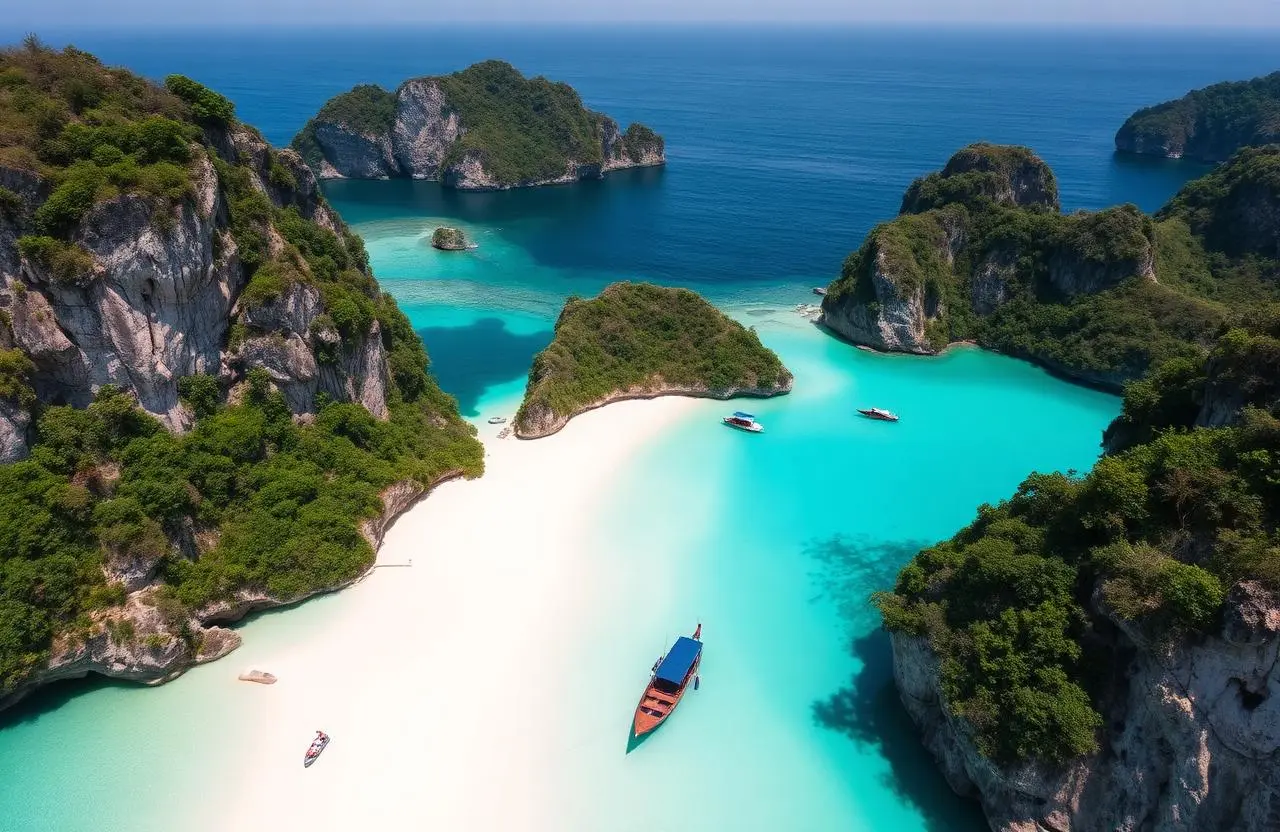
Phuket is famous for its beaches, but its heart beats with culture, temples and a layered history that blends Thai-Buddhist tradition with Chinese, Malay and European influences. For travelers who want more than sun and sand, exploring Phuket’s cultural sites reveals the island’s soul—from serene temple complexes and lively festivals to colorfully restored Sino-Portuguese streets and hands-on heritage experiences.
Key sites and what makes them special
- Wat Chalong (Wat Chaitararam): Phuket’s most important Buddhist temple complex, Wat Chalong is both a spiritual center and a showcase of ornate Thai temple architecture. The main chedi (stupa) houses relics and the site is often used for merit-making and blessing ceremonies. Visit early to watch monks in morning rituals and avoid midday crowds.
- Big Buddha (Phra Phutta Ming Mongkol Akenakiri): Perched on Nakkerd Hill, the 45-meter white marble figure towers above Phuket and offers panoramic island views. The atmosphere is peaceful; the complex is a good place for reflection and photos at sunrise or late afternoon.
- Jui Tui Shrine & Phuket Town’s Chinese temples: Phuket’s large Chinese community has left a strong cultural imprint. Jui Tui Shrine (near Old Town) is lively during festivals, and smaller temples throughout the town reflect the island’s Chinese-Thai heritage.
- Phuket Old Town & Sino-Portuguese architecture: Thalang, Dibuk and Soi Romanee streets offer colorful, restored shop-houses, boutique cafés and the Thai Hua Museum—an accessible way to learn about Phuket’s tin-mining past and multicultural identity. On Sundays, the Thalang Road night market (Lard Yai) brings food, crafts and performances.
Cultural experiences to try
- Guided heritage walks: A local guide can bring Old Town stories to life—merchant histories, architectural details and hidden shrines. Walks often include tastings of local snacks and visits to family-run shops.
- Temple tours with a guide: Temples are living places of worship; a guide can explain rituals, symbolic architecture and merit-making etiquette so your visit is both respectful and insightful.
- Cooking classes and market tours: Learn how Thai curries, satay and desserts connect to cultural rituals. Many classes start with a market visit to learn about herbs, spices and offering foods.
- Traditional arts and crafts: Look for workshops in Old Town that teach batik, tin-mining history exhibits, woodworking or making Buddhist offering garlands (phuang malai).
- Festivals and ceremonies: Time your visit for Songkran (Thai New Year, mid-April), Loy Krathong (late-year floating-boat festival) or Phuket’s famous Vegetarian Festival (usually in October). Each offers powerful cultural displays—processions, merit-making and community feasts. Note: the Vegetarian Festival includes extreme rituals in some processions; observe with respect and caution.
Temple etiquette and respectful behavior
- Dress code: Shoulders and knees should be covered. Bring a sarong or a lightweight shawl if you plan to visit several temples; many sites will not allow entry with shorts, sleeveless tops or revealing clothing.
- Footwear: Remove shoes and socks before entering the main prayer hall. Carry them discreetly and avoid pointing your feet at Buddha images or people.
- Photography: Many temples allow photos outside the main sanctum; however, always check for signs and follow rules. Avoid photographing monks during private rituals and never climb on sacred structures for a photo.
- Behavior: Keep voices low, turn off phone sounds, and avoid public displays of affection. Donations are welcome but not mandatory—use the donation boxes or local attendants to contribute.
- Interactions with monks: Women should not touch Buddhist monks. If you need to give something to a monk and you’re female, hand it to a male intermediary or place it on a tray.
Practical tips for planning
- Best time to visit: The cool, dry season (November through February) offers comfortable temperatures; mornings are best for temples to avoid heat and crowds.
- Getting around: Taxis, meter taxis, tuk-tuks and rented scooters are common. For cultural tours, consider a guided tour or private driver to handle parking and navigation. If you rent a scooter, be cautious—roads can be busy and rental insurance is often limited.
- Opening hours and fees: Many temples open early and close by late afternoon; Big Buddha and Wat Chalong may request a small donation. Museums and small specialty workshops can have varied opening hours—check ahead.
- Respect local rhythms: Many temple events and merit-making ceremonies follow Buddhist calendars. If you witness a ceremony, observe quietly and offer a respectful bow if appropriate.
- Learn a few phrases: “Sawadee” (hello), “Khop khun” (thank you) and “Khor thot” (sorry/excuse me) go a long way in bridging cultural gaps.
Why cultural travel matters in Phuket
Cultural experiences transform a vacation into meaningful travel. Visiting temples, walking Old Town, joining a cooking class or timing your trip for a festival builds context around what you see on the beach—connecting food, faith and history. With respectful behavior and curiosity, you’ll leave Phuket not only with beautiful photos but with a deeper appreciation of the island’s diverse heritage and warm people.
Whether you spend a morning at Wat Chalong, an afternoon in Old Town and an evening at a lantern-lit festival, Phuket’s cultural landscape offers experiences that linger long after the sand is swept away.