September 05, 2026
Thai Culture, Temples and Heritage Experiences in Phuket
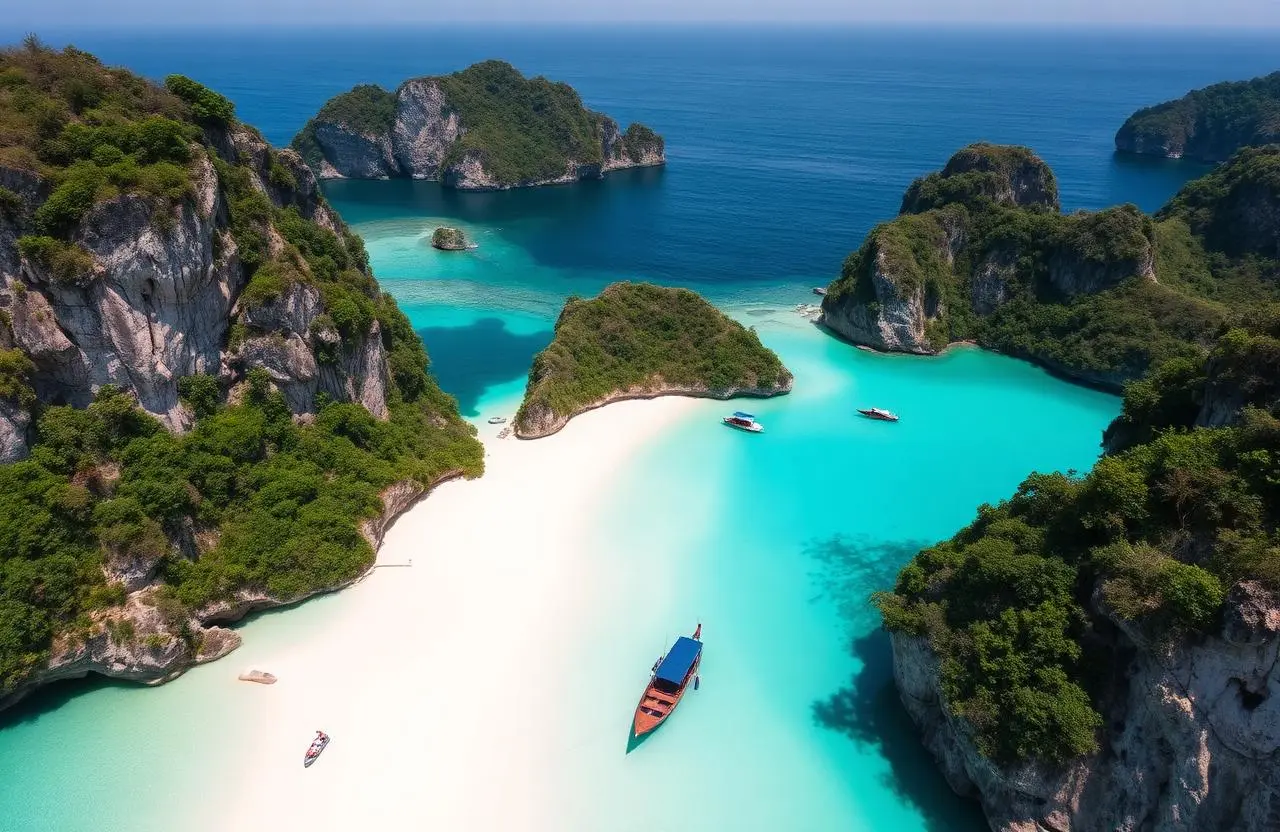
Phuket is often celebrated for its beaches, but its cultural landscape — temples, heritage architecture and living traditions — offers an equally compelling reason to visit. Whether you are a first-time traveler or returning to explore deeper, the island’s Buddhist temples, Sino-Portuguese old town and local festivals provide a rich introduction to Thai culture. This guide helps you plan respectful, meaningful heritage experiences in Phuket with practical tips and must-see highlights.
Key temples and sacred sites
- Wat Chalong: The most important temple on the island, Wat Chalong impresses with ornate murals, golden stupas and a serene complex where locals come to pay respects. Early morning visits avoid crowds and heat.
- Big Buddha: Perched on Nakkerd Hill, the 45-meter white marble Buddha is an island landmark. The viewpoint offers panoramic vistas — sunrise and sunset are particularly photogenic.
- Chinese shrines: Phuket has a large Chinese-Thai community. Visit Jui Tui Shrine and other Chinese temples to see a lively mix of Taoist and Buddhist practices, especially during festivals.
Phuket Old Town and heritage architecture
Phuket Old Town is a highlight for culture lovers. Thalang Road and its side streets showcase well-preserved Sino-Portuguese buildings, colorful shop houses, murals and quaint cafes. Museums like the Thai Hua Museum and small private galleries tell the story of migration, tin mining and multicultural trade that shaped the island.
Authentic cultural experiences
- Merit making: Simple acts like offering flowers, incense and donations at a temple are ways locals make merit. Observing and participating respectfully helps you connect with daily spiritual life.
- Alms giving: Early morning alms rounds are an intimate tradition. Stand respectfully back if you watch and follow local cues if you wish to participate.
- Handicraft workshops: Join a batik class, wood-carving session or pottery workshop to learn traditional techniques and support local artisans.
- Cooking classes: Phuket’s food culture is a delicious entry point to local life. Seafood-driven dishes and island specialties make cooking classes both educational and tasty.
Festivals and timing
- Songkran (April): Thai New Year celebrated with water and merit-making ceremonies. Parts of Phuket have celebratory street events in addition to temple rituals.
- Loy Krathong (November): Floating flower baskets and candlelit offerings create a poetic experience on full-moon nights.
- Phuket Vegetarian Festival (usually in October): A unique and intense experience featuring processions and rituals rooted in Chinese-Thai spiritual tradition.
Etiquette and respectful behavior
- Dress code: Cover shoulders and knees when entering temples. Bring a sarong or long scarf for easy coverage.
- Shoes: Remove shoes before entering temple halls. Wear footwear that’s quick to take off.
- Behavior: Keep voices low, don’t climb on sacred objects and respect monk boundaries. Many monks will politely decline to be touched or photographed up close.
- Photography: Always check signage and avoid filming worshippers without permission. When in doubt, ask.
Practical tips
- Best time to visit temples: Early morning for peaceful atmospheres and cooler temperatures. Late afternoon often brings more visitors.
- Getting around: Tuk-tuks and taxis are convenient; renting a scooter is common but brings traffic risks. Use reputable rental agencies and wear a helmet.
- Guided tours: A local guide enriches visits with stories, historical context and explanations of rituals — a great investment for first-time visitors.
- Money and donations: Carry small bills or coins for donations and small entrance fees. Many smaller sites accept cash only.
- Health and comfort: Bring sun protection and water — many temple grounds are exposed. Respect fasting or decorum during religious festivals.
Responsible tourism
Support local businesses: buy souvenirs from local artisans, join small workshops and choose ethical tour operators. Always ask permission before photographing people and avoid purchasing wildlife or cultural items that exploit communities.
Closing thoughts
Exploring Phuket beyond the beaches opens a world of spiritual practices, layered histories and living traditions. From the silence of a monk�s chant at dawn to the vivid processions of the Vegetarian Festival, cultural experiences on the island are deeply human and memorable. Plan ahead, dress respectfully, and let curiosity guide you — Phuket�s heritage rewards those who seek it with sensitivity and respect.