August 26, 2026
Thai Culture, Temples and Heritage Experiences in Phuket
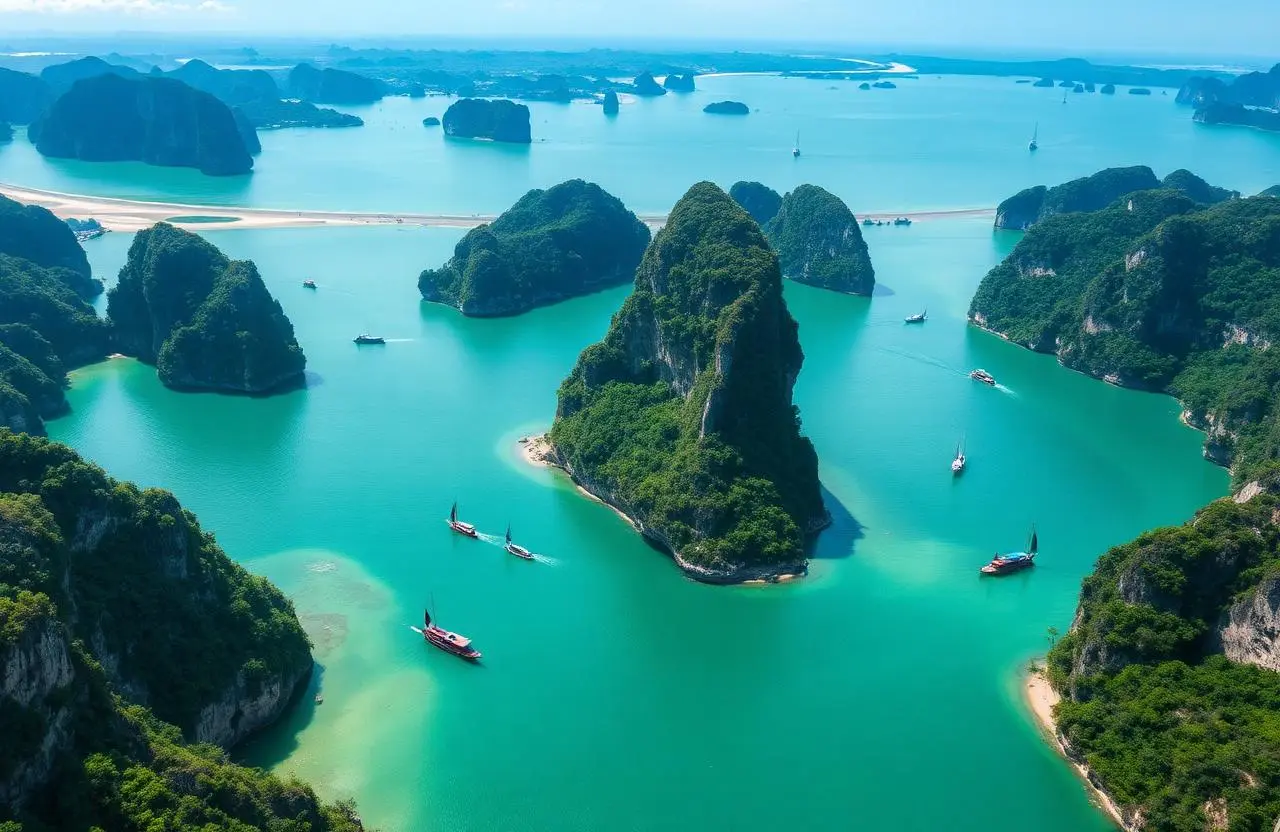
Phuket is often celebrated for its beaches and nightlife, but the island also offers a rich cultural tapestry of Thai religion, Sino-Portuguese heritage, Chinese shrines and tin-mining history. Exploring temples and heritage sites in Phuket provides a deeper, more meaningful perspective on the island—one that blends spirituality, community life and centuries of cultural exchange.
Why Phuket’s cultural sites matter
Phuket sits at a crossroads of cultures. Over the 19th and 20th centuries, tin mining drew Chinese and European traders, shaping the island’s architecture, cuisine and religious landscape. Today, temples (wats), Chinese shrines, old colonial buildings and museums together tell the story of how Buddhism, Chinese ancestral worship and local Thai traditions merged into Phuket’s identity.
Must-visit temples and heritage spots
- Wat Chalong: Phuket’s largest and most important Buddhist temple. Its colorful decorations, sacred relics and active community rituals make it a top cultural stop. Visit early morning for a quieter experience.
- Big Buddha: Perched on Nakkerd Hill, the 45-meter white marble Buddha offers panoramic island views. It’s a place for contemplation and great photos.
- Chinese shrines and Jui Tui Shrine: The Chinese community is central to Phuket’s history. The Jui Tui Shrine is a focal point during the Phuket Vegetarian Festival. Wander the Old Town area to find smaller shrines and ancestral halls.
- Old Phuket Town: Renowned for its Sino-Portuguese shophouses, street art and museums. Walk Thalang Road, visit the Phuket Thai Hua Museum and enjoy cafés in restored historic buildings.
- Thalang National Museum and mining exhibits: Learn about local history, including the role of tin mining and key historical events that shaped Phuket.
Authentic cultural experiences
- Markets and night bazaars: Sunday street market on Thalang Road is a highlight. Try local snacks, buy handicrafts and enjoy street performances.
- Traditional shows and cultural centers: Look for local dance and puppet performances; many community centers and hotels host cultural nights showcasing southern Thai music and dance.
- Food culture: Southern Thai cuisine is bold and aromatic. Sample local favorites—seafood curries, khao mun gai, and regional snacks. Stick to busy stalls for freshness.
- Workshops: Participate in batik classes, silver-smith demonstrations or cooking classes that teach regional recipes and stories behind them.
Temple etiquette and practical tips
- Dress code: Cover shoulders and knees. If you’re wearing shorts or sleeveless tops, carry a sarong or shawl. Some temples provide wraps but bring your own to be safe.
- Shoes: Remove shoes before entering temple buildings. Wear sandals or slip-ons for convenience.
- Photography: Generally allowed, but avoid flash during ceremonies and ask before shooting people during prayers. Do not climb on Buddha images or pose provocatively.
- Interacting with monks: Show respect—speak softly and avoid physical contact; women should not touch monks. Offer donations discreetly and follow any posted rules.
- Behavior: Avoid loud conversations, pointing feet at statues or people, and any behavior that could be seen as disrespectful. Feet are considered the lowest part of the body in Thai culture; don’t point them at people or sacred objects.
Timing, transport and fees
- Best time to visit: Early morning and late afternoon are cooler and less crowded. Consider the weather; Phuket is hottest from March to May and rainy season runs May to October.
- Getting around: Options include taxis, Grab, scooter rentals and guided cultural tours. Some temples are hilltop sites—arrange transport if you’re not comfortable driving.
- Fees and donations: Many temples are free to enter but welcome donations. Museums and special exhibition sites may charge admission; check opening hours and ticket prices ahead of time.
Festivals and when to time your trip
- Phuket Vegetarian Festival (usually October): A unique, intense cultural event involving processions, Chinese rituals and acts of devotion. Expect crowds and sensory experiences—fire, incense and traditional music.
- Songkran (Thai New Year, April): Water festivals, temple merit-making and community gatherings offer a lively cultural immersion.
- Loy Krathong: Celebrated across Thailand with floating offerings—check local events in Phuket for organized launches and lantern ceremonies.
Safety and respectful travel
Keep valuables secure in crowded markets and during festivals. Respect religious restrictions—no alcohol in temple precincts, and observe any photography or access restrictions. Be open, curious and polite: asking permission and following local cues will enrich your cultural experience.
Conclusion
Visiting Phuket’s temples and heritage sites reveals an island layered with history, faith and creativity. From the serene Big Buddha to the bustling shrines of Old Town and the stories preserved in small museums, a respectful approach will open doors to memorable cultural encounters. Take time, dress appropriately, listen and you’ll leave with more than photos—you’ll carry stories and insights into Phuket’s living heritage.