August 06, 2026
Thai Culture, Temples and Heritage Experiences in Phuket
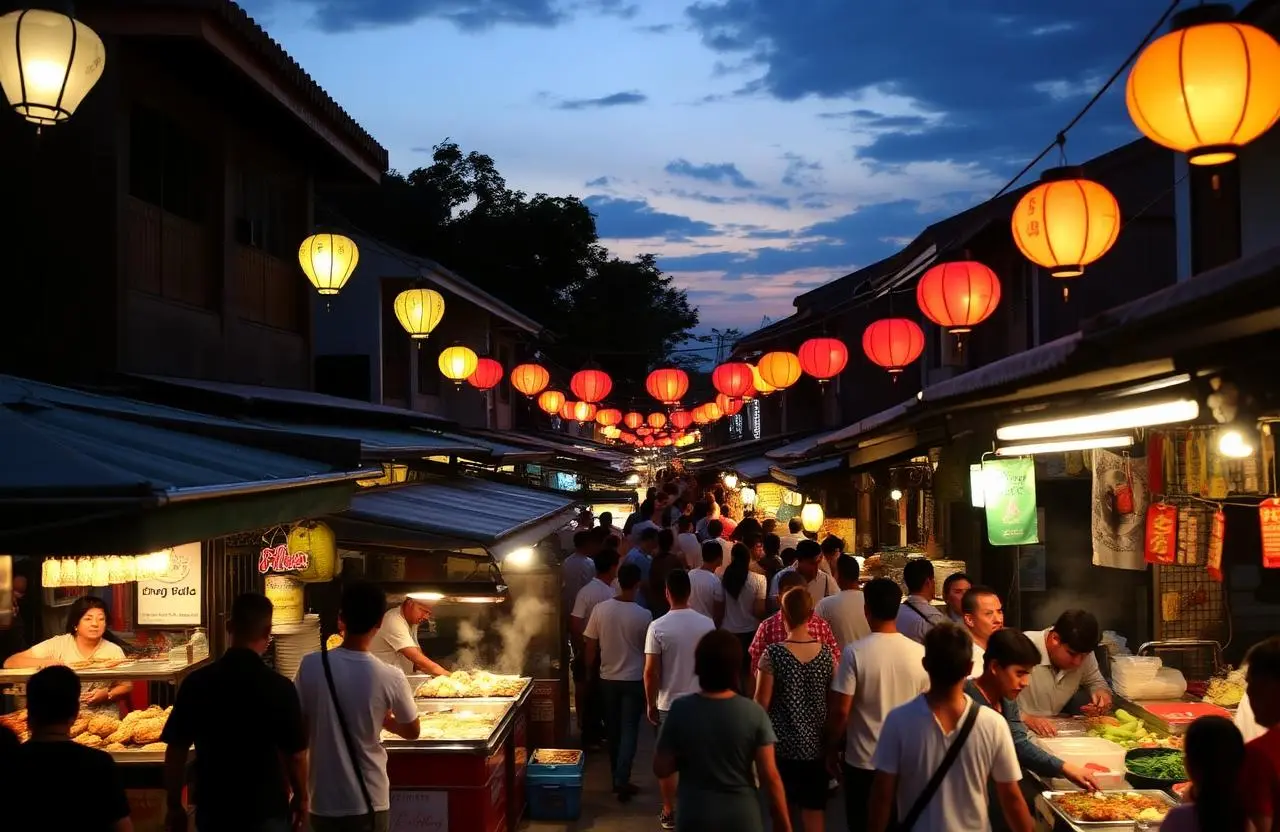
Phuket is famous for its beaches, but its cultural side—temples, Sino-Portuguese architecture, Chinese-influenced festivals and local heritage—is equally rewarding to explore. From the golden chedis of Wat Chalong to the panoramic views at the Big Buddha and the colorful streets of Old Phuket Town, the island offers immersive experiences that reveal Thailand’s religious traditions and multicultural history.
Main temples and sacred sites
Wat Chalong (Wat Chaitararam) is Phuket’s most visited Buddhist temple and an important spiritual center for locals. The temple complex houses relics and intricately decorated ordination halls. When visiting, dress modestly (shoulders and knees covered), remove your shoes before entering indoor prayer areas and speak quietly. Early morning or late afternoon visits avoid heat and crowds.
Big Buddha (Phra Phutta Ming Mongkol Akenakiri) sits atop Nakkerd Hill. The large white marble statue is a serene spot for reflection and offers sweeping views over southern Phuket. It’s a popular place for sunset visits, but expect more crowds at that time.
Chinese shrines and festivals: Phuket’s Chinese community has shaped much of the island’s culture. Jui Tui Shrine in Phuket Town is a focal point, particularly during the annual Phuket Vegetarian Festival (usually September–October). The festival features spirit mediums, processions and intense rituals that can be fascinating to observe but require cultural sensitivity. During festival days, some ceremonies are private or sacred—ask before photographing.
Old Phuket Town and heritage architecture
Old Phuket Town is a living museum of Sino-Portuguese architecture: shuttered shop-houses, pastel-colored facades and decorative tiles. Thalang Road and Soi Romanee are great for window-shopping, coffee breaks and street photography. Museums such as the Phuket Thai Hua Museum and Thalang National Museum provide context about tin mining, Chinese immigration and the island’s historical figures.
Cultural experiences beyond temples
Cooking classes: Joining a Thai cooking class is one of the most tangible ways to engage with local culture. Many schools pair market tours with lessons on classic southern Thai dishes—perfect for learning ingredient-focused stories behind the food.
Arts and crafts: Markets and small workshops sell textiles, silverwork and carved goods. Some artisans offer short workshops in batik, wood carving or jewelry making—nice hands-on souvenirs and deeper insight into local crafts.
Traditional performances and Muay Thai: Look for cultural shows at community centers or hotels for traditional dance and music. For a more visceral cultural experience, attend a Muay Thai match—this national sport reflects Thai history, ritual and athleticism.
Etiquette and practical phrases
- Dress: Shoulders and knees should be covered in temples. A lightweight sarong or shawl is handy. - Shoes: Remove shoes before entering interiors of temples or prayer halls. - Photography: Don’t climb on statues or stand above sacred objects; check signage and ask for permission. - Interacting with monks: Men should avoid physical contact with monks. Women should be cautious about handing items directly to monks; use a cloth or indirect placement if needed. - Greetings: Use “Sawasdee kha” (female speaker) or “Sawasdee khap” (male speaker) with a slight wai (hands together) to be polite. “Khop khun” means thank you.
Timing, transport and safety tips
- Best times: Early morning (08:00–10:00) and late afternoon (16:00–18:00) are cooler and less crowded. - Transport: Temples and heritage sites are spread across the island. To maximize time, hire a taxi for a half-day, use a private driver, or join an organized cultural tour. - Fees and donations: Some sites have modest entrance fees or recommended donations—carry small bills. - Festivals: If you visit during Songkran, Loy Krathong or the Vegetarian Festival, expect crowds and road closures; plan accommodations and transport in advance.
Suggested one-day cultural itinerary
Morning: Walk Old Phuket Town, visit Phuket Thai Hua Museum, enjoy a local breakfast and coffee. Midday: Explore Thalang Road, sample street food, check out a Chinese shrine. Afternoon: Visit Wat Chalong and then head up to Big Buddha for sunset. Evening: Take a short cooking class or attend a cultural performance.
Responsible cultural tourism
Respect enhances your experience. Learn a few Thai words, follow temple rules, buy from local vendors and be mindful when photographing people engaged in worship. Phuket’s cultural layers—from Buddhist temples to Chinese shrines and colonial-era architecture—tell the island’s complex story. Explore with curiosity and respect, and you’ll leave with more than photos: a deeper understanding of Phuket’s living heritage.