July 01, 2026
Thai Culture, Temples and Heritage Experiences in Phuket
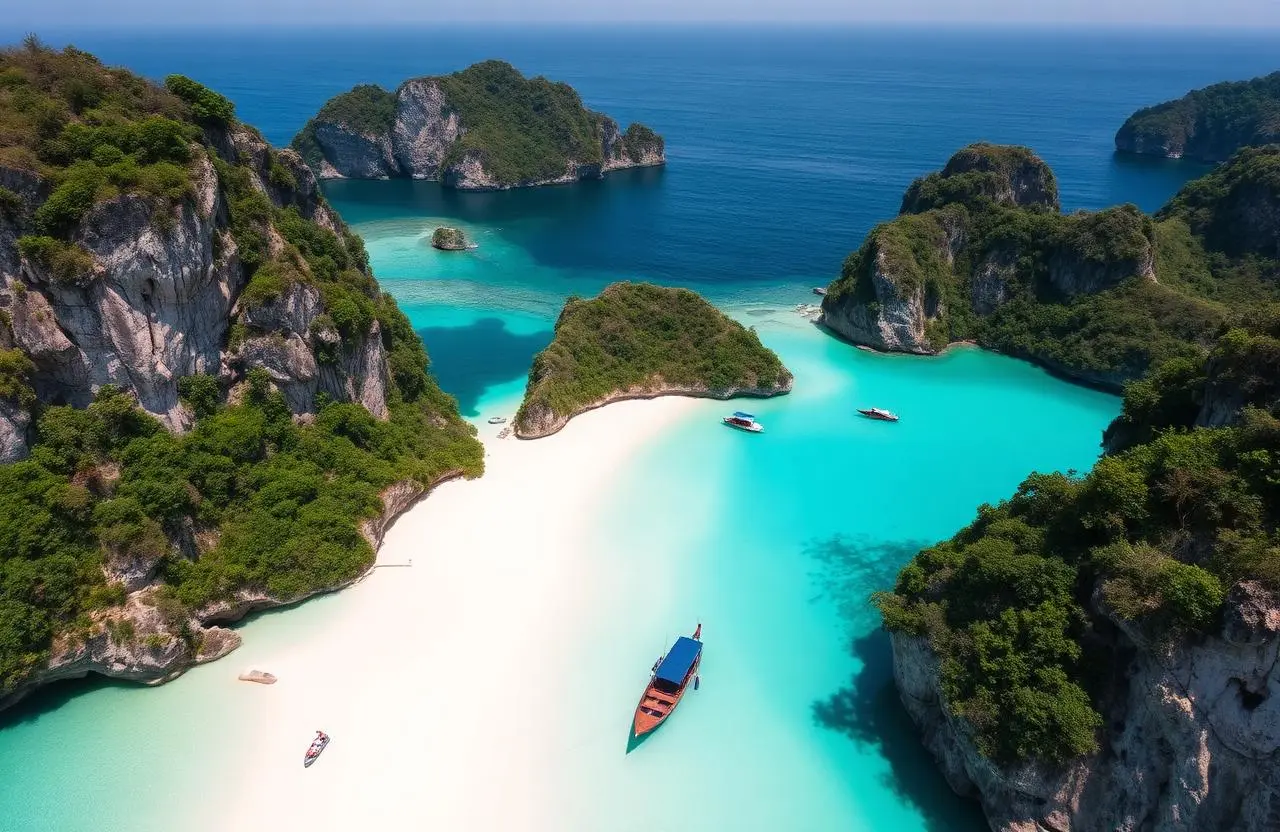
Phuket is known for its beaches and nightlife, but its cultural heart is equally compelling. The island blends Thai Buddhism with Chinese immigrant traditions, Malay influences and Sino-Portuguese colonial architecture. For travelers who want more than sand and sea, temples, heritage sites and local rituals offer deep insights into Thai culture in Phuket.
Must-see temples and spiritual sites
Wat Chalong is Phuket’s most visited Buddhist temple and a great place to learn about Theravada practices that shape daily life. Intricate murals, gilded statues, and prayer halls create a serene atmosphere. Visit early morning to avoid crowds and capture soft light for photos. Big Buddha sits atop Nakkerd Hill as a peaceful landmark rather than a temple complex. The 45-meter white marble statue overlooks the island and is a popular spot for reflection and panoramic views.
Old Phuket Town and heritage architecture
Old Phuket Town showcases the island’s multicultural past with colorful Sino-Portuguese buildings, shophouses, and narrow alleys filled with cafes, galleries and artisan shops. Thalang Road hosts the Sunday Walking Street market, where you can sample local snacks, buy handicrafts and hear live music. Museums such as the Thai Hua Museum and Baan Chinpracha mansion offer context about Chinese migration, tin-mining prosperity, and the colonial-era social fabric that shaped modern Phuket.
Temple etiquette and practical tips
- Dress modestly: Cover shoulders and knees when entering temples. Keep a lightweight shawl or scarf handy.
- Shoes: You’ll need to remove shoes before entering temple buildings; slip-on footwear is convenient.
- Photography: Many temples allow photos but avoid taking pictures of people praying without permission. Some inner sanctums prohibit photography.
- Behavior: Keep your voice low, avoid pointing your feet at Buddha images, and refrain from public displays of affection inside sacred spaces.
Festivals and religious events
Phuket Vegetarian Festival (usually September/October) is a vivid display of Chinese-Thai religious traditions featuring processions, street rituals and colorful ceremonies. Songkran (April) and Loy Krathong (usually November) are nationwide Thai festivals celebrated on the island—Songkran with water festivities and Loy Krathong with floating offerings on water. Attending a festival is an excellent cultural experience, but plan for crowds and book transport early.
Local crafts, food and hands-on experiences
Phuket’s heritage extends to its crafts: ceramics, batik, wood carving and traditional textiles are widely available. Visit local workshops or join short classes to learn skills from artisans. Cuisine is central to culture—try local specialties like massaman curry, Goong ob (baked prawns), and street delights near temple neighborhoods. A cooking class is both a fun activity and a cultural primer that includes a market visit to learn about local ingredients.
Guided tours vs. independent exploration
Half-day or full-day cultural tours usually include Wat Chalong, Big Buddha and Old Phuket Town, with guided explanations on history and ritual meaning. Guides can enhance your visit by explaining symbolism, pointing out hidden details and advising on respectful behavior. Independent travelers should start early, carry water, and allow extra time for traffic between sites.
Transportation and logistics
Getting around: tuk-tuks, taxis, Grab ride-hailing, and scooter rentals are common. Traffic can be slow during peak hours, so leave buffer time when visiting multiple spots in one day. Most temple complexes are open in the morning through late afternoon, but hours can change for religious ceremonies. Carry some cash—many small shops and market stalls are cash-friendly.
Safety and cultural sensitivity
Be respectful: speak softly, ask before photographing individuals, and follow temple rules. When visiting during a festival, stick to marked viewing areas and follow instructions from organizers for your safety. If you rent a scooter, wear a helmet and check local traffic rules; medical facilities are available in Phuket Town and near major tourist zones.
Final tips
Phuket’s temples and heritage experiences reveal a layered cultural identity that goes beyond postcards. To get the most out of your visit, dress appropriately, be mindful of local customs, and consider hiring a local guide for deeper insights. Whether you explore the ornate halls of Wat Chalong, walk the shaded lanes of Old Phuket Town, or witness a vibrant festival, these cultural encounters will add lasting meaning to your trip.