June 07, 2026
Thai Culture, Temples and Heritage Experiences in Phuket
Introduction
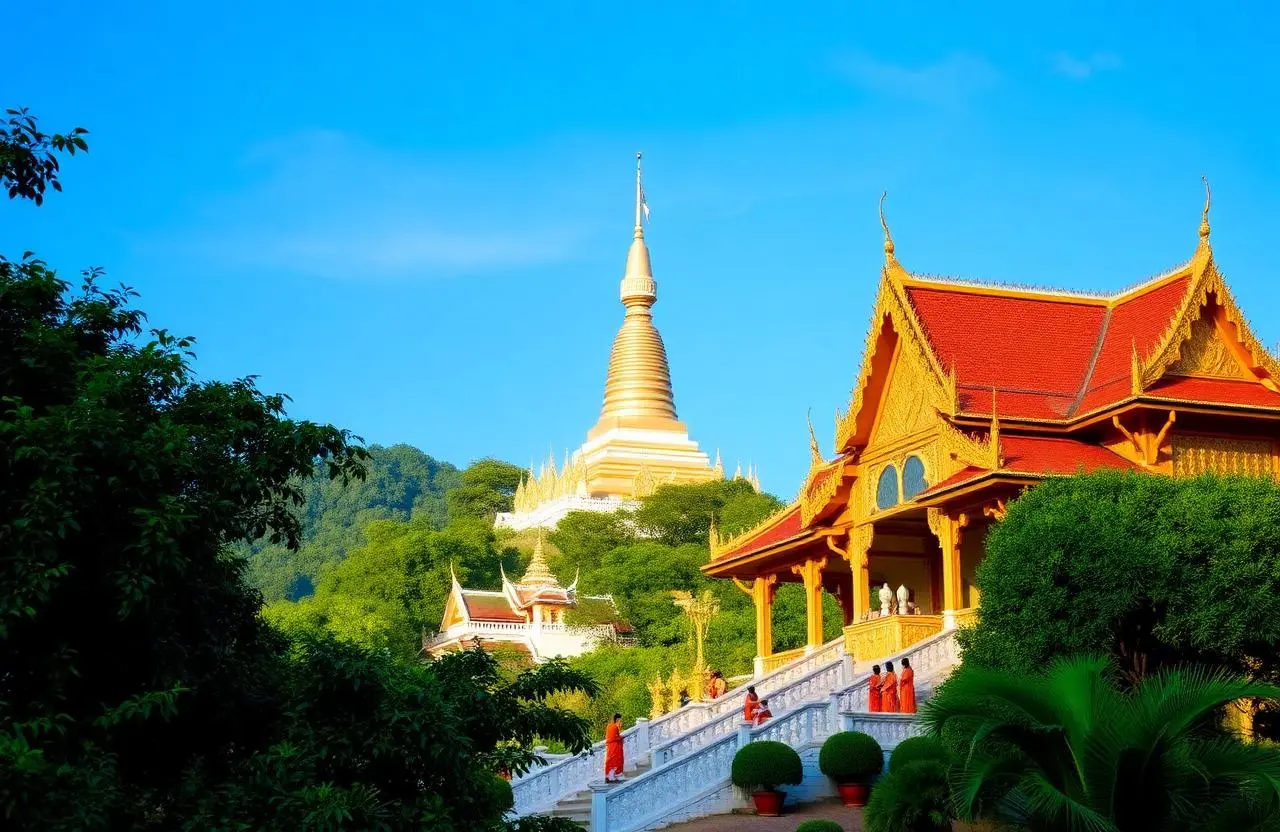
Phuket is famous for its beaches, but its temples, Thai cultural life and historic heritage are just as compelling. This island in southern Thailand blends Buddhist traditions, Sino-Portuguese architecture and everyday Thai customs into experiences that can be contemplative, colorful, and deeply memorable. This guide covers must-see temples, heritage walks, cultural activities and practical tips to make the most of your visit.
Top temples and sacred sites
- Wat Chalong: Phuket’s most visited temple, Wat Chalong features ornate glass mosaics, a prominent stupa housing sacred relics, and regular blessing ceremonies. Arrive early to watch morning rituals and avoid crowds.
- Big Buddha (Phra Phutta Ming Mongkol Akenakiri): The 45-meter white marble statue sits atop Nakkerd Hill offering sweeping island views. It’s a quiet place for reflection and panoramic photos—ideal at sunrise or late afternoon.
- Wat Phra Thong: Known for a partially buried Buddha statue linked to local legends, this wat highlights the island’s unique local lore and devotional practices.
- Local wats: Smaller neighborhood temples are everywhere in Phuket and are great places to observe daily offerings, monk life and local devotion without the tourist bustle.
Old Phuket Town and heritage walks
Old Phuket Town showcases colorful Sino-Portuguese shophouses, charming cafes and boutique museums. Thalang Road is a pedestrian-friendly artery for street art, galleries and pastel buildings. The Sunday Walking Street Market (Lard Yai) transforms the area into an evening cultural festival with street food, handicrafts and live performances—perfect for smelling local flavors and catching traditional music and dance.
Authentic cultural experiences
- Thai cooking classes: Learn how to make local Phuket dishes—think tom yum, green curry and fresh seafood—often starting with a market tour to source ingredients.
- Traditional arts and crafts: Workshops in batik, woodcarving, and local silk or silverwork let you try hands-on crafts and meet local artisans.
- Monk blessings and meditation: Many temples welcome visitors for short meditation sessions or blessing ceremonies. Participating with a respectful guide makes these rituals more meaningful.
Festivals and special events
- Songkran (April): Thailand’s New Year celebrated island-wide with water rituals and street celebrations. In Phuket you can witness both spiritual merit-making at temples and playful water fights in streets.
- Loy Krathong (November): Floating lotus baskets on water while making wishes creates a magical, photogenic atmosphere.
- Phuket Vegetarian Festival (October): Organized by the local Chinese-Thai community, this intense festival features vegetarian feasts, colorful processions and spiritual ceremonies.
Temple etiquette and practical rules
- Dress code: Shoulders and knees should be covered when entering temples. Carry a light shawl or sarong if you’re wearing shorts or sleeveless tops.
- Footwear: Remove shoes before stepping into temple buildings. Wear slip-on shoes for convenience.
- Behavior: Speak softly, avoid climbing on statues, and don’t point your feet at Buddha images. Respect signs indicating restricted areas.
- Photography: Many temples allow photography, but always check for signage or ask permission before taking pictures of monks or private ceremonies.
- Donations: There are often donation boxes; small contributions are customary and appreciated.
Logistics and tips
- Best times to visit: Early morning (07:00–09:30) and late afternoon (15:00–17:30) are quieter and offer the best light for photos.
- Getting around: Taxis, tuk-tuks, and rented scooters are common. Wat Chalong and Big Buddha are close together; Old Phuket Town is a short drive away.
- Fees: Some attractions ask for a small donation or entrance fee—carry small bills and change.
- Guided vs self-guided: A local guide enriches context—history, symbolism and proper etiquette—though self-guided exploration is rewarding if you prepare.
Sustainability and respect
Preserve Phuket’s heritage by behaving responsibly: don’t litter, avoid buying illegal antiques, and be mindful of local communities. Respect temple rules and support community-run tours and eateries when possible.
Conclusion
Phuket’s cultural side—temples, festivals and Sino-Portuguese streets—offers a rich complement to its beaches. Whether you prefer quiet mornings at Wat Chalong, panoramic views from Big Buddha, or the colorful bustle of Old Phuket Town’s markets, approaching these sites with curiosity and respect will reward you with meaningful experiences. Pack a light scarf, a patient attitude and an interest in learning—Phuket’s cultural heartbeat will reveal itself in unexpected, beautiful ways.