August 09, 2026
Elephant Sanctuaries and Ethical Wildlife Experiences in Phuket
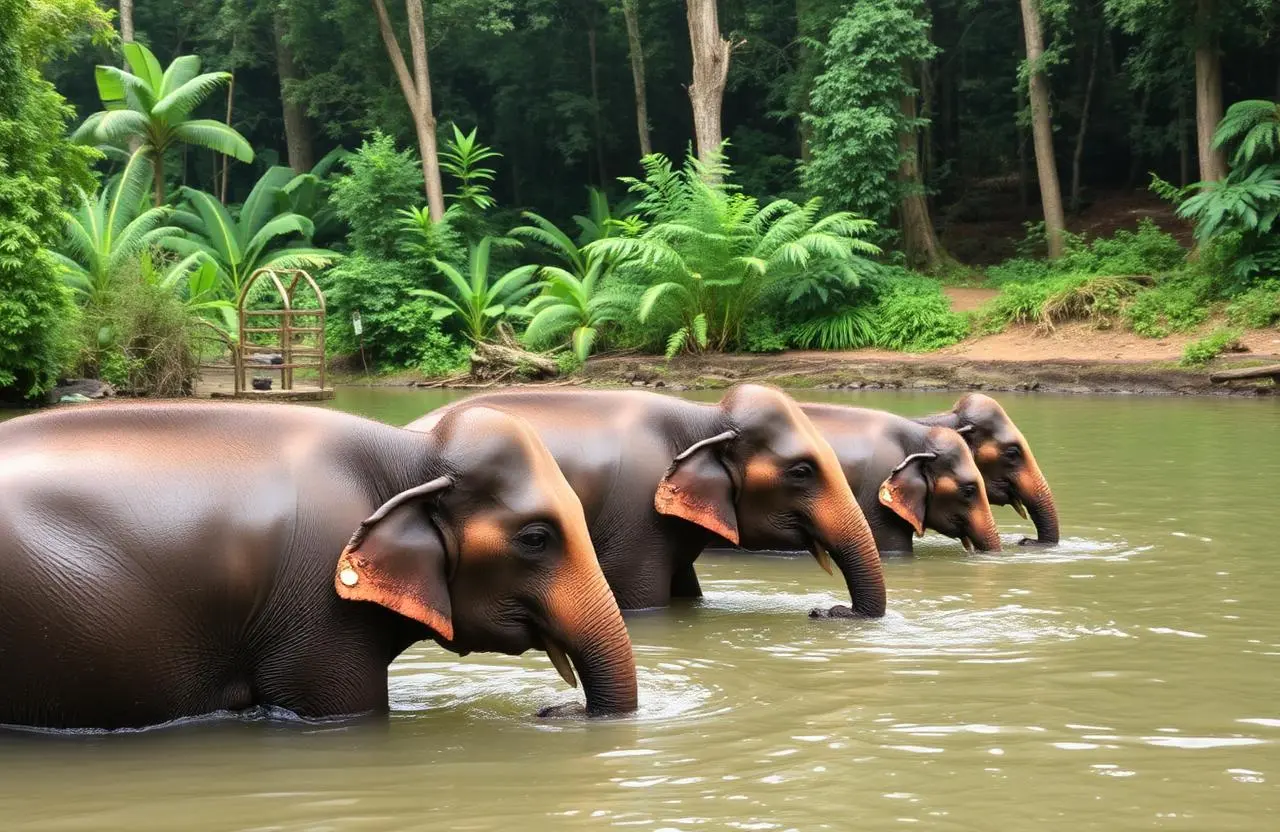
Phuket is famous for beaches and nightlife, but increasingly travelers seek meaningful wildlife experiences — especially ethical elephant sanctuaries. Choosing the right facility makes a real difference for rescued elephants and for responsible tourism. This guide explains what ethical sanctuaries look like in Phuket, how to choose them, what to expect, and practical tips for your visit.
Why “ethical” matters
Historically, elephants in Thailand have been used for logging, labor and tourism. Many traditional practices caused physical and psychological harm. Ethical sanctuaries prioritize rehabilitation, veterinary care and natural behavior. They do not offer riding, forced performances or exploitative photo ops.
What to expect at an ethical sanctuary
A typical ethical visit focuses on observation, education and low-impact interaction. Common activities include:
- Educational talks: Background on elephant rescue stories, conservation challenges and individual animals.
- Feeding: Guided feeding with approved foods (fresh fruit, local forage); the goal is enrichment, not gimmicks.
- Soft interaction and walking: Observing elephants in their habitat from a respectful distance, often accompanied by mahouts (caretakers).
- Bathing and mud: Some sanctuaries allow supervised bathing or mud wallows, always voluntary for the elephant and guided by staff.
Red flags to avoid
- Elephant riding or circus-style shows — these are often tied to abusive training.
- Lack of transparency — if a facility won’t share information about veterinary care, rescue histories or finances, be wary.
- Overly close interactions for photos — if animals are coerced into poses or handlers pressure elephants, that’s exploitative.
How to choose a responsible sanctuary
1) Confirm a strict “no riding” policy. 2) Look for small-group programs with clear educational aims. 3) Check for on-site veterinary care and documented rescue histories. 4) Read recent independent reviews and traveler feedback. 5) Prefer sanctuaries that work with local communities and pay staff fair wages.
Examples and logistics
Known facilities operating in Phuket focus on rescue and rehabilitation rather than entertainment. Programs usually run mornings and afternoons and offer hotel transfers. Always verify the current policies and read up-to-date visitor reports before booking.
Practical tips for your visit
- Book ahead: Ethical sanctuaries have limited capacity and fill up. - What to wear: Neutral-colored, quick-dry clothes; closed or sturdy sandals; sun protection and insect repellent. - What not to bring: Sugary snacks, plastic bags, or unnecessary items that could stress animals. Selfie sticks are often banned. - Photography etiquette: Take photos when permitted by staff; avoid flash and sudden movements. - Follow staff instructions: Mahouts and guides know the animals and keep both visitors and elephants safe. - Support sustainably: Consider small donations, sponsor an elephant’s care, or buy locally made souvenirs.
Volunteering and donations
If you want a deeper engagement, research long-term volunteer programs carefully. Ask for detailed information on duties, accommodation, training, and how volunteer fees are used. Avoid programs that primarily serve as cheap labor or tourist entertainment. Prefer organizations with clear reporting and accountability for donations.
Other ethical wildlife experiences in Phuket
- Sea turtle conservation: Look for programs and rehabilitation centers that run educational releases and protect nesting sites. Participating responsibly often requires booking and following strict guidelines. - Responsible snorkeling/diving: Choose operators who prioritize reef protection, do not anchor on corals, and follow strict wildlife interaction rules. - Birdwatching and nature walks: National parks and reserves offer guided hikes where you can observe local fauna without disturbing habitats.
Questions to ask before you go
- Do you allow riding or performances? (If yes, don’t go.) - What veterinary care do you provide? - How are staff and mahouts trained and compensated? - How are visitor fees used? Will my money support elephant welfare? - Do you limit group sizes?
Final thoughts
A visit to an ethical elephant sanctuary in Phuket can be a deeply moving and educational experience when done right. Do your homework, prioritize the animals’ welfare over photo opportunities, and support sanctuaries with transparent practices and proven conservation goals. By choosing responsible experiences, you contribute to better futures for rescued elephants and help set higher standards for wildlife tourism in Thailand.