June 11, 2026
Elephant Sanctuaries and Ethical Wildlife Experiences in Phuket
Why this matters
Phuket is famous for its beaches and nightlife — but it’s also a gateway for wildlife experiences, especially encounters with rescued elephants, gibbons and marine conservation projects. Not all wildlife attractions are created equal: irresponsible operations that offer rides, performances or chained animals harm welfare and conservation. Choosing ethical experiences helps protect animals and supports meaningful conservation and local communities.
What “ethical” means
An ethical sanctuary prioritizes animal welfare and rehabilitation over entertainment. Look for places that:
- Do not offer elephant riding, shows or tricks.
- Allow animals to express natural behaviors (foraging, socializing, resting).
- Provide veterinary care, adequate space, shade and social groups.
- Limit visitor numbers and structure interactions (guided walks, observation rather than forced contact).
- Reinvest income into rescue, rehabilitation and local education programs.
Sanctuaries and projects in and near Phuket
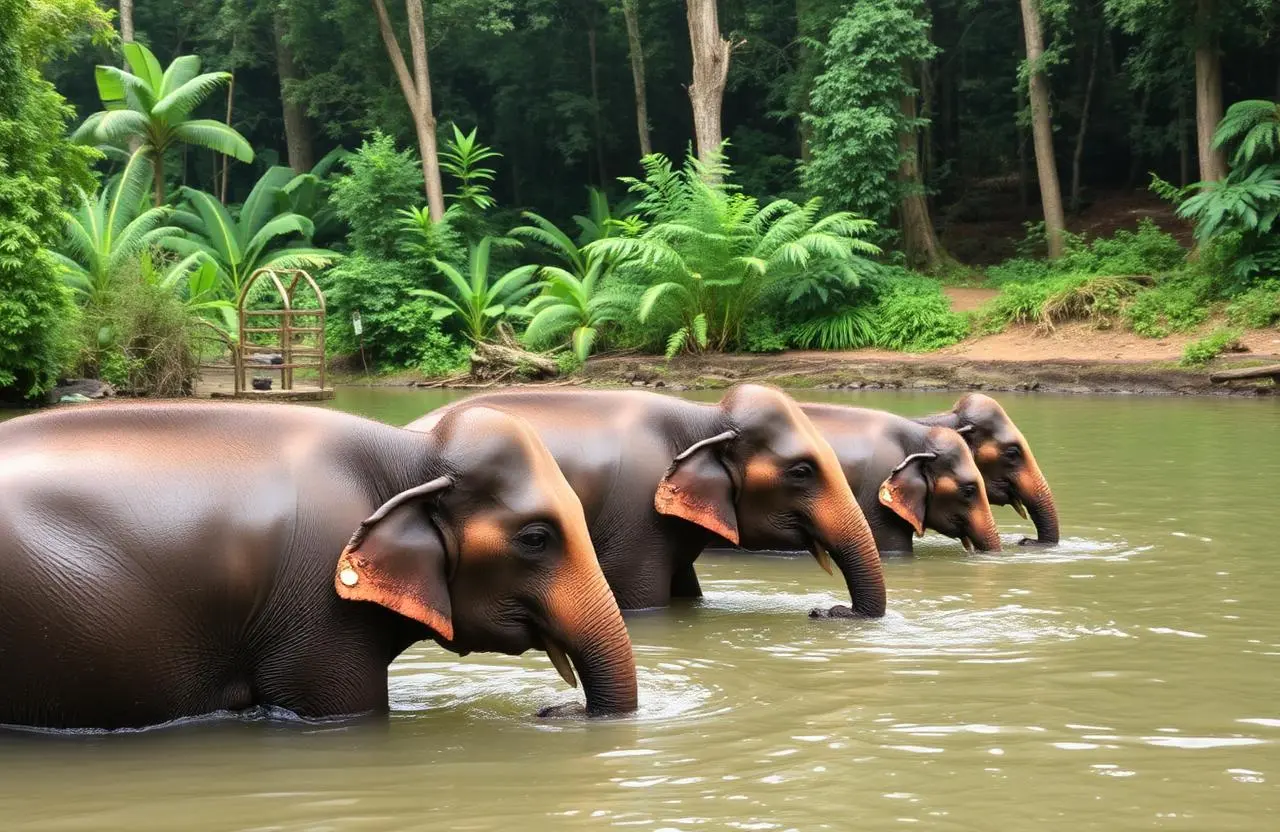
- Phuket Elephant Sanctuary: One of the best-known ethical elephant rescues on the island. It offers observation-focused visits where elephants roam in a natural environment and visitors watch from a distance or participate in supervised feeding and fruit enrichment sessions. The emphasis is on rehabilitation and retirement rather than entertainment.
- Gibbon Rehabilitation Project (Phuket): A local rehabilitation and release initiative that works with rescued gibbons, aims to rehabilitate them and ultimately release suitable individuals back into forested areas. Visits are typically educational and controlled to minimize stress on the animals.
- Sea Turtle Conservation Center (Mai Khao): Located near Phuket International Airport, this center focuses on rescuing, rehabilitating and releasing sea turtles. It’s an excellent place to learn about marine conservation, egg protection programs and how to watch nesting and release events responsibly.
- Responsible snorkeling and marine tours: While not sanctuaries, several operators around Phuket emphasize reef-friendly snorkeling and diving practices, support local reef restoration, and work with marine biologists. Look for small-group operators that follow no-touch policies and brief guests on reef etiquette.
How to choose a responsible operator
- No riding, no tricks: This is the single clearest indicator. If an operator offers rides, shows or chains, avoid it.
- Transparency: Ethical projects are open about their funding, history, number of animals, and where rescued animals come from.
- Educational focus: A good sanctuary uses visits to teach about threats, rehab and conservation, not just to provide photo ops.
- Independent endorsements: Look for affiliations with recognized animal-welfare NGOs, positive third-party reviews or media profiles that discuss the project’s mission.
- Small groups and clear rules: Limited visitor numbers reduce stress on animals. Check whether interactions are structured (e.g., short supervised feeding) rather than free-for-all.
What to expect on a visit
- Gentle encounters: Most ethical sanctuaries allow visitors to observe elephants grazing and socializing, join guided walks, and sometimes help with supervised feeding or enrichment activities.
- Education-first programming: Expect talks about the animals’ backgrounds, threats (poaching, habitat loss, tourism abuse) and the sanctuary’s rehabilitation work.
- Limited contact: Many sanctuaries discourage selfies, direct hugging or prolonged contact. Follow staff instructions — less touch equals less stress.
Practical tips
- Book in advance: Ethical sanctuaries often cap daily visitors. Reserve online early, especially in high season (Nov–Mar).
- Time of day: Mornings and late afternoons are better for animal activity and cooler weather; midday can be hot for both animals and guests.
- What to bring: Lightweight long sleeves and trousers for sun and insects, closed shoes for walks, hat, reef-safe sunscreen, insect repellent, reusable water bottle and a small donation if accepted.
- Photography: Use quieter, non-flash photography. Avoid using sticks or physically forcing animals to face the camera.
- Transport: Many sanctuaries offer free or paid pick-ups from major Phuket hubs. Confirm details and departure times.
- Respect rules: Follow all staff instructions about distance, feeding, and touching. This protects you and the animals.
Red flags — what to avoid
- Chains, isolated animals, or obvious scars and injuries without visible vet care.
- Performances, tricks, bathing shows where elephants are made to perform unnatural behaviors.
- Unlimited petting or circus-type close contact with obviously stressed animals.
- Operators that allow visitors to bring their own food or feed animals without supervision.
How you can support beyond visiting
- Donate directly to reputable sanctuaries or conservation programs to fund rescues, vet care and habitat protection.
- Volunteer carefully: Choose structured volunteer programs with a clear schedule, realistic tasks and no promise of unrealistic animal interactions.
- Spread the word: Share ethical options and discourage friends from attending exploitative shows.
- Reduce plastic and support sustainable businesses to help protect habitats and marine life.
Final thoughts
Choosing ethical wildlife experiences in Phuket means prioritizing animal welfare, learning about conservation, and supporting projects that genuinely help animals and communities. With a little research and respect, your visit can leave a positive footprint: memorable for you and meaningful for the wildlife you came to see.