June 07, 2026
Elephant Sanctuaries and Ethical Wildlife Experiences in Phuket
Why ethical wildlife experiences matter
Phuket is known for beaches and island tours, but encounters with Thailand's most iconic animal, the elephant, attract many visitors. Sadly, not all elephant experiences are created equal. Ethical wildlife tourism matters because it protects animals from abuse, supports genuine rescue and rehabilitation, and benefits local communities. Choosing the right sanctuary means your visit contributes to conservation rather than exploitation.
What makes a sanctuary ethical
Look for these signals when evaluating an elephant center:
- No riding policy. Ethical sanctuaries prohibit riding, as training for rides often involves cruel practices.
- No performances or tricks. Elephants should not be forced to do shows for tourists.
- Rescue and rehabilitation focus. Reputable centers rescue abused or retired working elephants and prioritize their health and natural behaviors.
- Natural environment and space. Elephants need space to roam, forage, and socialize.
- Veterinary care and transparent funding. Clinics on-site and clear explanations of where visitor fees go are important.
- Small group sizes and limited visitor numbers. This reduces stress on animals and improves guest experience.
Sanctuaries in Phuket: what to expect
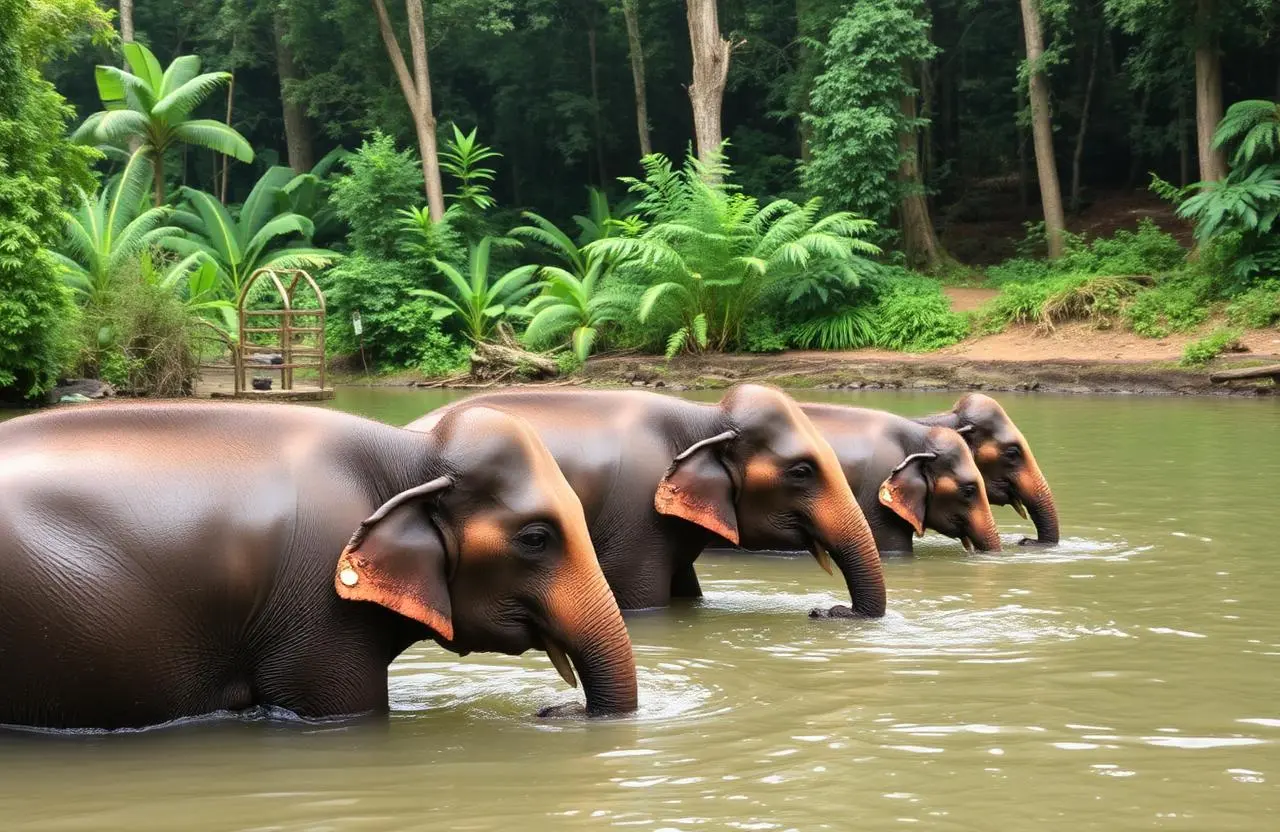
Phuket Elephant Sanctuary is the island's most well-known ethical operation. Typical visits are observation-focused and structured so elephants can choose whether to interact. A typical program includes: pickup from your hotel, a short orientation, transport to the sanctuary, supervised feeding, watching and photographing elephants as they forage and bathe, and a provided vegetarian lunch or snack. Some sanctuaries run morning half-day or longer full-day programs.
How to behave during your visit
- Follow staff instructions at all times. Guides know each elephant's personality and limits.
- Let elephants come to you. Do not chase or force contact.
- No flash photography and keep a respectful distance unless staff advise otherwise.
- Avoid handing food directly to elephants unless instructed how to do so safely.
- Speak quietly and move calmly. Loud noise and sudden movements stress animals.
Practical tips and what to pack
- Clothing: lightweight, breathable clothes in neutral colors; long pants and closed-toe shoes recommended for walking in natural terrain. You may get muddy if there is a bathing session.
- Sun and rain: a hat, sunscreen, and a light rain jacket are smart choices, especially during the monsoon months.
- Cash: many sanctuaries accept card payment, but small purchases and tips may require cash in Thai baht.
- Camera: bring a camera or smartphone, but avoid intrusive close-ups and don’t use flash. Consider a zoom lens for better shots without disturbing the animals.
- Water and snacks: many programs provide water and lunch, but check ahead if you have dietary needs.
- Mobility: ask about walking distances and terrain if you have limited mobility; some sanctuaries can accommodate but check in advance.
Costs and booking
Prices vary depending on inclusions, length of stay, and transport. Half-day visits typically cost more than simple park entry but less than multi-day volunteer packages. Book in advance during high season (November to March) and check cancellation policies. Reputable sanctuaries are transparent about what fees support, so ask where your money goes.
Volunteer programs and donations: a word of caution
Long-term rehabilitation needs funding, and some sanctuaries accept volunteers. However, be cautious:
- Avoid programs that require long unpaid stays, heavy manual labor, or lack clear educational content.
- Short volunteer shifts can be helpful, but ensure work benefits elephants rather than serving a tourist experience.
- If you cannot do a long-term volunteer placement, donating directly to a reputable sanctuary is often the best way to help.
What to avoid
- Elephant rides, so-called bathing shows, or circuses where animals perform tricks.
- Sanctuaries with chains on elephants or where staff use bullhooks or similar tools in plain view.
- Illegal wildlife sales, breeding programs that claim to be conservation, or places with minimal transparency.
Combining your trip with responsible travel
Ethical wildlife visits pair well with low-impact activities: snorkeling with proper operators, visiting community-based tourism projects, or participating in beach clean-ups. Respect local culture by supporting businesses that pay fair wages and minimize environmental harm.
Final notes
Your choice matters. By selecting an ethical sanctuary in Phuket you help protect elephants, restore natural behaviors, and support communities working in conservation. Do your research, ask questions before you book, and treat every encounter as an opportunity to learn and make a positive impact. Responsible tourism creates better experiences for visitors and a safer future for wildlife.