September 02, 2026
Best Time to Visit Phuket: Weather, Seasons and Festivals
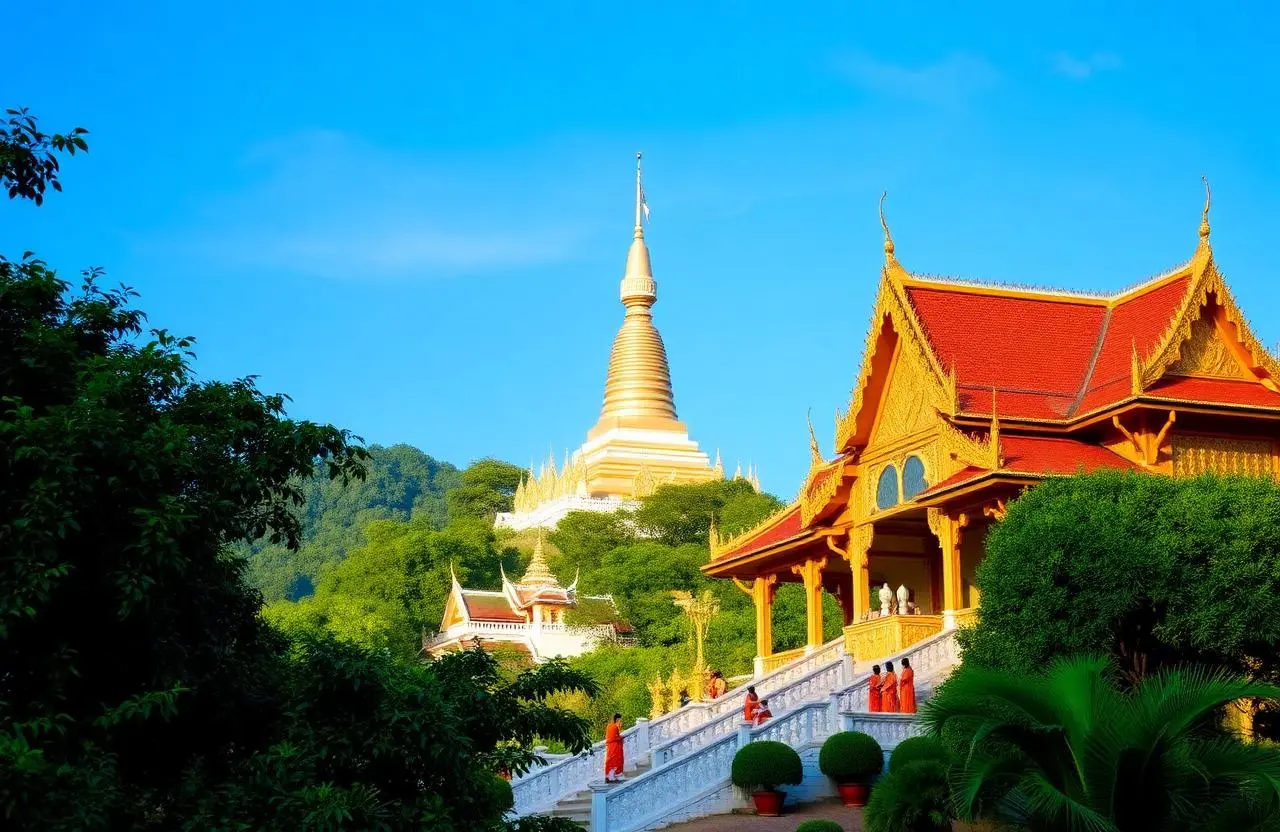
Phuket is one of Thailand’s most popular island destinations, drawing visitors year-round. But when is the best time to go? The answer depends on what you want from your trip: sunshine and calm seas, fewer crowds and lower prices, or local festivals and cultural experiences. Here’s a seasonal guide to help you plan the perfect Phuket getaway.
Overview of climate and seasons
Phuket has a tropical monsoon climate and can be divided into three main periods: the dry season (November–April), the transitional/shoulder months (April and October–November), and the rainy/monsoon season (May–October). Temperatures generally range from about 24–34°C (75–93°F) year-round, with high humidity. Even when temperatures don’t feel extreme, the humidity can make it feel hotter.
Dry season (November–April)
This is the most popular time to visit Phuket. Skies are generally clear, seas are calm, and visibility is excellent—ideal for swimming, snorkeling and diving. December to February often feels a little cooler and more comfortable in the evenings. Tourist numbers peak during the dry season, so flights, hotels and day tours can book out early. Prices are highest around Christmas, New Year and the European winter holidays.
Shoulder season (April and November)
April is very hot but also lively: it’s the month of Songkran, Thailand’s water festival, a fun and immersive cultural experience. November marks the start of the dry season, with nature still lush after rains and fewer crowds than peak season. Shoulder months offer a balance of decent weather and better value.
Monsoon/rainy season (May–October)
This period brings short, intense tropical downpours—often in the afternoon or at night. The sea can be rougher, and boat schedules to nearby islands may be disrupted. However, there are upsides: fewer tourists, lower prices, and a greener landscape. Diving visibility can be variable; some sites are less attractive during heavy rains, while others can still offer rewarding marine life encounters.
Sea conditions, diving and water activities
The calmest seas and best underwater visibility are typically from November to April. Popular dive spots like the Similan Islands (note: Similans are seasonal and often closed during monsoon months), Phi Phi, and Racha islands show their best colors in the dry season. During the monsoon, waves and currents increase—great for surfing in certain spots, but not ideal for casual snorkeling.
Key festivals and events
- Songkran (April): The Thai New Year water festival is celebrated island-wide. Streets become friendly battlegrounds of water fights—bring a waterproof phone case and be prepared to get wet.
- Phuket Vegetarian Festival (usually September or October): A nine-day Taoist festival featuring processions, fire-walking and unique culinary offerings. It’s intense, fascinating and deeply cultural—watch respectfully and follow local guidelines.
- Loy Krathong (November): A beautiful festival where people float decorated baskets on water to honor the goddess of water. It’s atmospheric and often quieter and more reflective than Songkran.
- Phuket Old Town events and markets: Throughout the year, weeknight markets, local festivals, and food fairs celebrate Phuket’s multicultural heritage—ideal for sampling street food and buying crafts.
Practical travel tips
- When to book: For the dry season (November–March), book accommodations and flights 2–4 months in advance; for peak holiday periods, book 6+ months ahead. In the monsoon season you can often find last-minute deals.
- What to pack: Lightweight cotton clothing, reef-safe sunscreen, insect repellent, a thin rain jacket, a waterproof pouch for valuables, and a reusable water bottle. Include a light sweater for air-conditioned spaces and cooler evenings.
- Health and safety: Stay hydrated, use sun protection, and don’t underestimate the tropical sun. If diving or engaging in water sports, follow safety briefings and maintain a no-alcohol-before-diving policy. Check that your travel insurance covers water activities.
- Getting around: Phuket has taxis, tuk-tuks, local buses, and rental cars and motorbikes. Traffic can be busy, and rainy season roads can be slippery—drive cautiously. Check ferry schedules if island-hopping; rough weather can affect services.
Which season is right for you?
- If you want guaranteed sunshine, calm seas and excellent diving, aim for November–April. Expect higher prices and more tourists but top beach conditions.
- If you prefer lower prices, fewer people and don’t mind occasional rain showers, May–October can be rewarding—especially for budget travelers and photographers who like greener landscapes.
- If your goal is cultural immersion, time your trip for Songkran (April) or the Vegetarian Festival (September/October) to experience Phuket’s traditional celebrations.
Final thoughts
Phuket’s appeal lies in its diversity: fabulous beaches and excellent dive sites, vibrant festivals, and a range of accommodation and activity options to match any budget. By aligning your travel priorities—weather, water activities, crowds, and festivals—with the right season, you’ll get the most out of your trip. Pack wisely, book with foresight for peak months, and be flexible during the monsoon—and Phuket will reward you with unforgettable island memories.